As part of the International Dark Sky Celebration, the Wenatchee River Institute recently hosted two fascinating presentations exploring how artificial light impacts our natural world—from our own neighborhoods to the depths of our local waterways.
Here is a summary of these presentations to help you better understand how we can work together to restore the night sky.
Restoring the Night Sky
Dr. Jim White, P.U.D. Energy Efficiency Engineer
Dr. Jim White shared how light pollution is a unique environmental challenge because it is entirely solvable. By making small changes to how we light our homes and businesses, we can improve our health, protect wildlife, and rediscover the wonder of the stars.
- Why It Matters: Artificial light at night disrupts human circadian rhythms and confuses migrating birds that rely on the moon and stars for navigation. It also negatively affects beneficial insects and bats.
- The Problem with "Glare": Many traditional lights use unshielded "point sources" that cause our pupils to constrict, actually making it harder to see into the shadows. This "night sky blasting" creates an illusion of security while often making environments less safe.
- Solutions for Your Home: * Shielding: Direct light downward so you see the ground being lit rather than the bulb itself.
- Color Temperature: Choose "warmer" bulbs (under 3000K). Bright blue-white LED lights are significantly more disruptive to the night sky.
- Controls: Use motion sensors so lights are only on when needed.
- Take Action: You can self-certify your home as Dark Sky compliant by performing a simple home assessment.
Effects of Artificial Light on Salmon
Roger Tabor, Retired U.S. Fish and Wildlife Biologist
While many of us look up to see the stars, Roger Tabor spent his career looking down into the water. His research reveals the dramatic ways "ALAN" (Artificial Light At Night) alters the behavior and survival of juvenile salmon.
- Behavioral Shifts: Juvenile Sockeye and Chinook salmon are naturally programmed to move or hide in the dark to avoid predators. When artificial light hits the water, these fish "wake up," start schooling, and forage as if it were daytime.
- The Predation Trap: Artificial light makes salmon much more vulnerable. Research shows that predation risk can be 8.5 times higher in lighted areas compared to dark ones.
- Impact of Infrastructure: Bridges and docks create "shadow lines" where predators like bass and sculpin wait to ambush disoriented salmon. Even artistic lighting projects on city bridges can inadvertently create deadly "choke points" for migrating smolts.
- Management Successes: There is hope! The new 520 bridge in Seattle was designed with deck lighting rather than overhead lights to reduce spillover into the water. Boeing also improved salmon habitat by shielding bright lights at their Renton facility.
- How to Help Salmon: If you live on the water, remove unnecessary lights, shield necessary ones away from the water's surface, and use timers to keep the shoreline dark during peak migration months (April–July).
Community Fun: Trivia, Crafts, and Science
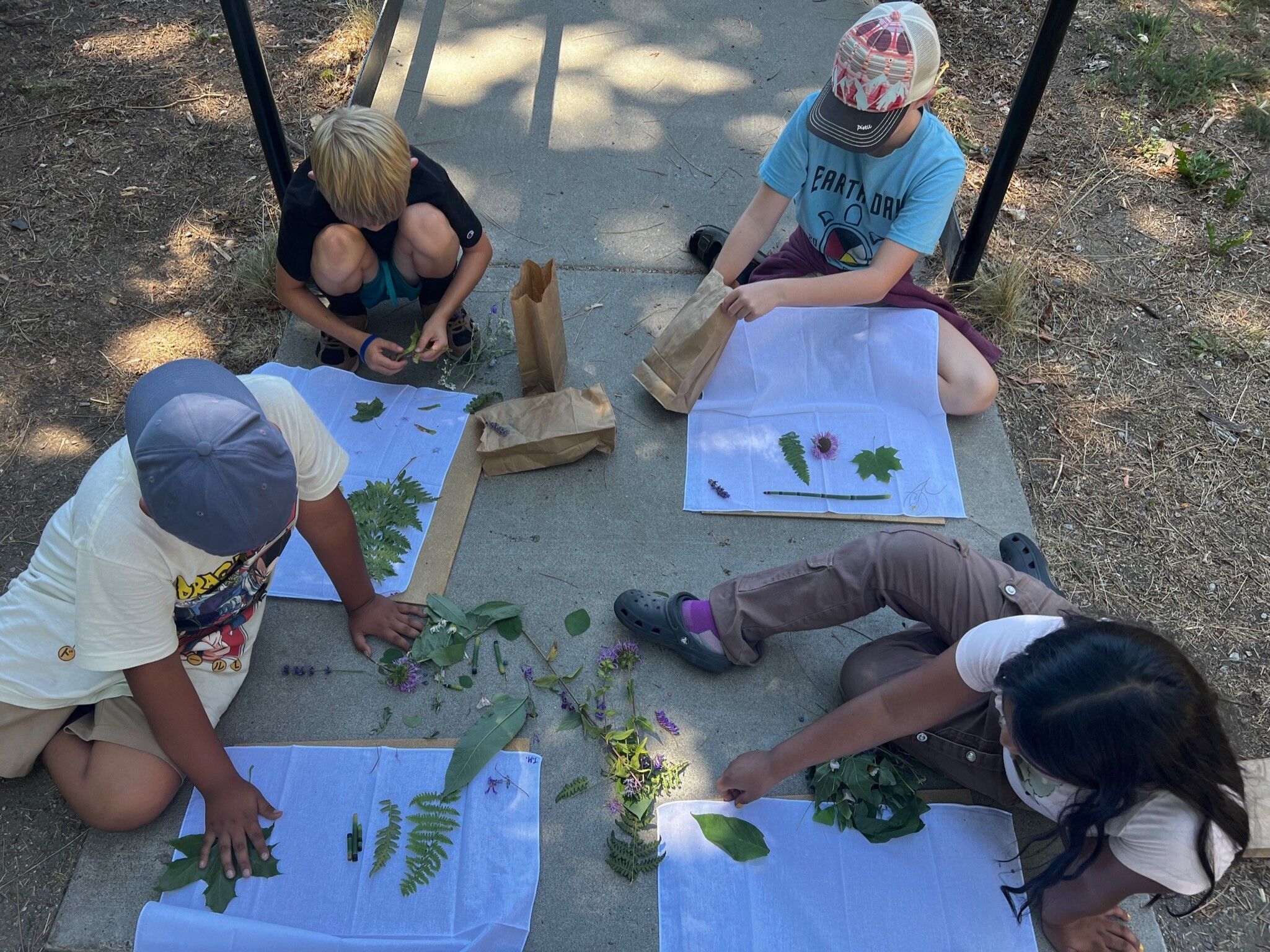
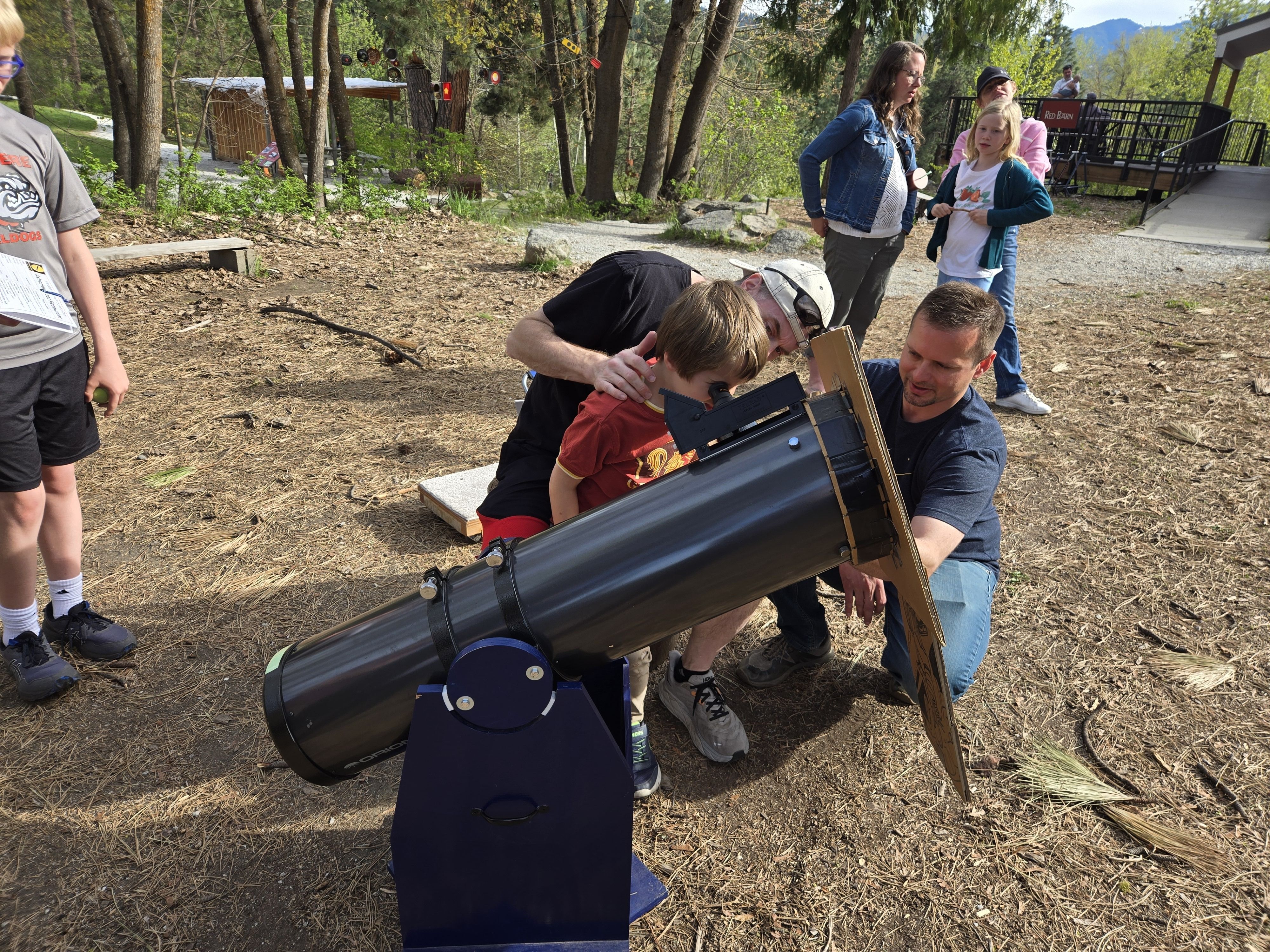
Between the two expert presentations, the Wenatchee Valley Astronomy Club transformed the Red Barn into a hub of hands-on exploration. The celebration wasn't just for the experts—it was a full-day event designed to get families excited about the cosmos. The club challenged the crowd with a trivia game that explored everything from local constellations to deep-space facts. Kids (and kids at heart) participated in science demonstrations that illustrated how telescopes work and why certain light colors are less disruptive to nocturnal animals. During trivia, craft stations where participants could build or paint their own star charts and other space activities.
Join the Movement
The underlying message of the day was clear: the night sky is something we all enjoy. Whether you are shielding a porch light to help a migrating bird or joining the Wenatchee Valley Astronomy Club for a star party, your actions help preserve the natural beauty of the Wenatchee Valley.